
ISO 45001 Certification Cost UK
How Much Does ISO 45001 Certification Cost?
One of the most common questions businesses ask when considering ISO 45001 certification is:
"How much will ISO 45001 certification cost?"
The answer depends on several factors including employee numbers, business activities, health and safety risk profile, number of sites and the certification body selected.
To help organisations understand likely certification costs, we've created this guide and free ISO 45001 Certification Cost Calculator.
Important: The costs discussed below relate to certification body fees only and do not include consultancy, implementation or Occupational Health & Safety Management System development costs.
Typical UK Certification Body Day Rates
As a general guide, UKAS accredited certification bodies typically charge between £850 and £1,500 per audit day, with smaller certification bodies often charging around £850 per day, medium-sized providers around £1,000 per day, and larger international certification bodies typically charging £1,500 per day or more.
Whilst prices vary between providers, all UKAS accredited certification bodies operate under the same accreditation framework, meaning the primary differences are usually cost, auditor availability, customer service and industry experience rather than the validity of the certificate itself.

Calculate Your ISO 45001 Certification Cost
Use the ISO 45001 Cost Calculator below to estimate:
Initial Certification Audit Duration
Annual Surveillance Audit Duration
Recertification Audit Duration
Estimated Certification Body Fees
Three-Year Certification Cycle Costs
The calculator is based on typical UKAS audit duration methodologies and provides a useful starting point when budgeting for certification.
What Determines ISO 45001 Certification Costs?
Certification bodies use recognised audit duration methodologies when calculating certification costs.
Several factors influence the number of audit days required.
Employee Numbers
The larger the organisation, the more audit time is generally required.
Health & Safety Risk Profile
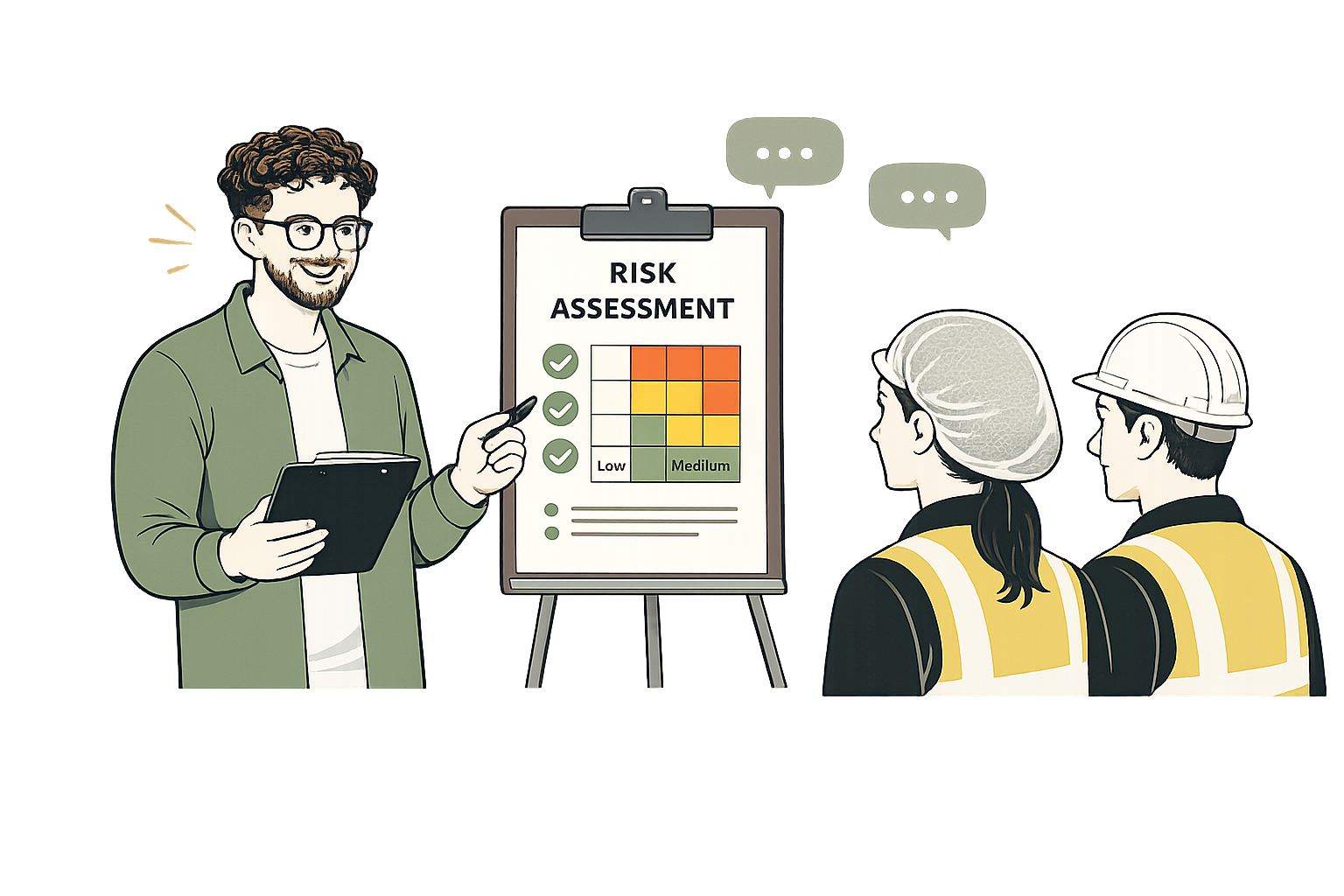
ISO 45001 places significant emphasis on operational risk.
Organisations operating within construction, manufacturing, engineering, utilities, logistics or other higher-risk sectors will often require more audit time than office-based organisations.
Number of Sites
Multi-site organisations typically require additional audit sampling and site visits.
Scope of Activities
Broader certification scopes generally require longer audits.
Operational Complexity
The complexity of equipment, processes, contractors, work activities and operational controls can all influence audit duration.
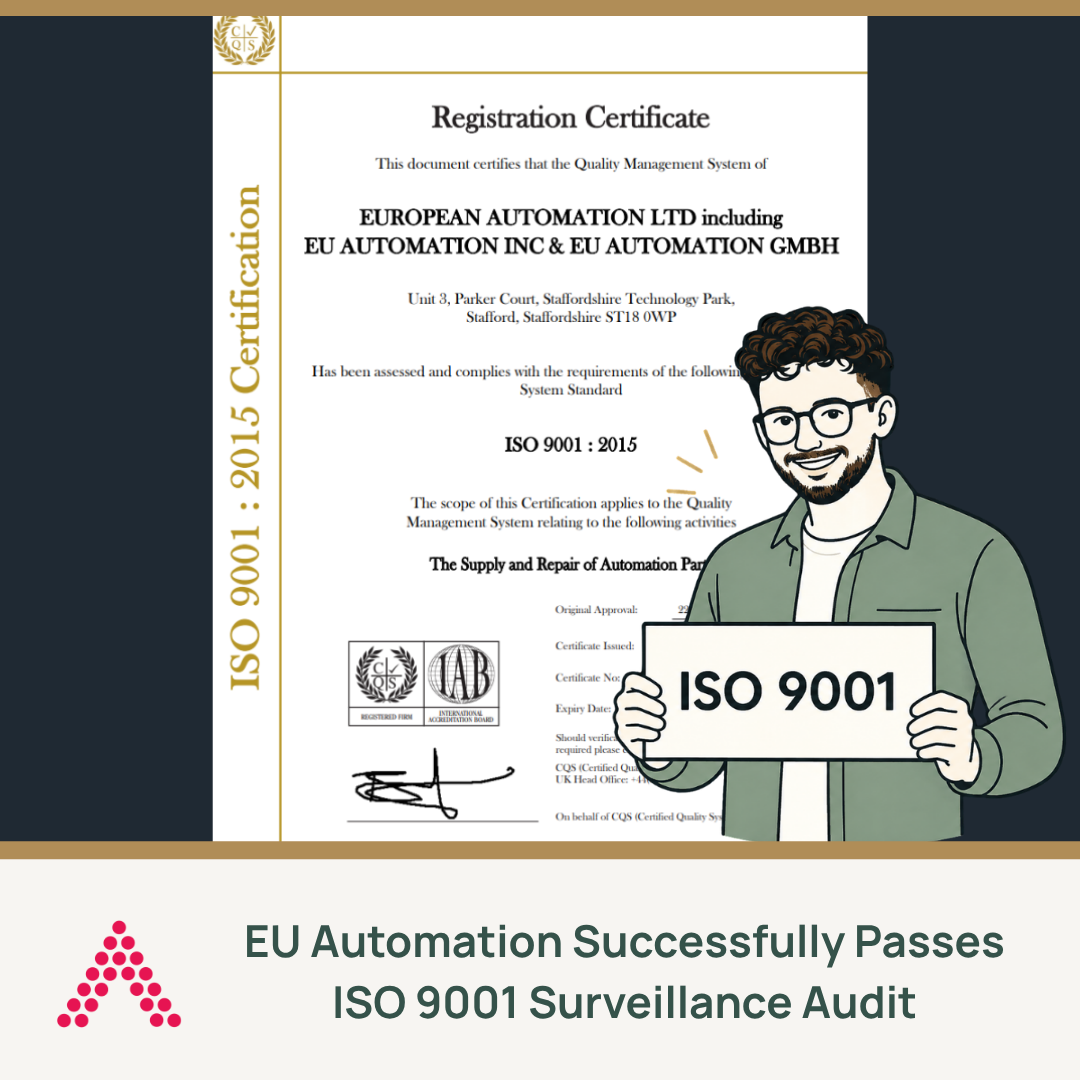
Recent Certification Successes

Understanding ISO 45001 Certification Costs
The number of audit days required for ISO 45001 certification depends primarily on employee numbers, operational complexity, number of sites and workplace risk profile. Smaller organisations may require only 2-3 audit days, whilst larger or higher-risk organisations may require significantly more.
Certification costs typically include the Stage 1 Audit, Stage 2 Audit, certification decision, certificate issue, annual surveillance audits and three-year recertification audit, although some certification bodies may charge additional travel or administration fees.
When selecting a certification body, price should not be the only consideration. Organisations should also assess UKAS accreditation, auditor competence, industry experience, customer service and long-term value.
It is also important to understand the difference between certification costs and consultancy costs. Certification fees are paid directly to the certification body, whereas consultancy costs cover services such as gap analysis, management system development, risk assessments, internal audits, management reviews, legal compliance support, staff training and certification preparation.

-
ISO 9001:2015 Quality Management
-
ISO 45001:2018 Occupational Health And Safety
-
ISO 14001:2015 Environmental Management
Need Help Achieving ISO 45001 Certification?
Whether you're looking for certification quotations, implementation support, internal auditing or an independent gap analysis, AlineX can help.

Frequently Asked Questions
-
Most small businesses can expect certification body costs between approximately £1,700 and £4,500 depending on employee numbers and certification body selection.
-
No. Many organisations implement ISO 9001 internally. However, experienced consultancy support can significantly reduce implementation time and improve certification readiness.
-
All UKAS accredited certification bodies operate under the same accreditation framework. Differences typically relate to service, availability, auditor experience and pricing.
-
Certification operates on a three-year cycle consisting of an initial certification audit, annual surveillance audits and recertification.
-
Yes. Many organisations choose an Integrated Management System covering multiple standards.